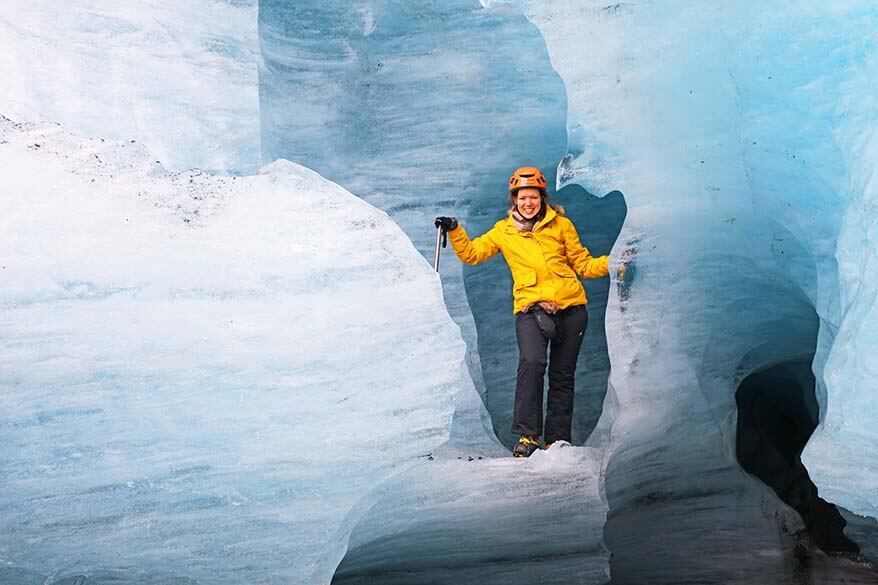
Iceland transforms into a magical winter wonderland when the colder months arrive. With snow-capped mountains, frozen waterfalls, and a mesmerizing northern lights display, winter is a fantastic time to explore the country’s natural beauty. However, the season also comes with its challenges. From glacier hikes to ice caves, there’s plenty to experience in Iceland during winter—but it’s essential to stay safe while doing so. Here’s a guide to the best winter activities in Iceland and the safety tips you need to know.
Best Winter Activities in Iceland
- Glacier Hiking
Winter is the perfect time to explore Iceland’s glaciers. These majestic ice giants are a whole different experience when blanketed with snow. One of the most popular glacier hiking spots is Vatnajökull, Europe’s largest glacier. Many tours are available, where professional guides take you on hikes to explore stunning ice formations, crevasses, and deep blue ice caves. Remember, glacier hiking requires the right gear, and it’s always safer to go with an experienced guide.
Other great places for glacier hikes include Sólheimajökull and Langjökull, both accessible from Reykjavik and offering unique experiences. Whether you’re an experienced mountaineer or a beginner, there’s a glacier hike suited for you.
- Ice Caves
Ice caves are one of the most magical winter attractions in Iceland. These naturally occurring caves form when glacial meltwater carves tunnels through the ice. Vatnajökull Glacier is home to some of the most stunning ice caves in Iceland, with their crystal-clear blue ice creating an almost surreal atmosphere.
It’s essential to go on an ice cave tour with a certified guide as the caves can be dangerous, especially in the winter when they’re more susceptible to collapse. Always make sure the tour company has experienced guides and equipment to ensure your safety.
- Northern Lights Viewing
Iceland is one of the best places in the world to witness the Northern Lights or Aurora Borealis. The long, dark nights of winter provide optimal conditions to see this incredible natural light display. The best months for viewing are typically from late September to early April.
Some of the best places to see the Northern Lights include Þingvellir National Park, Jökulsárlón Glacier Lagoon, and the area around Reykjavik. Keep an eye on the Aurora forecast to increase your chances of catching this stunning phenomenon.
- Winter Wildlife Watching
Iceland’s winter wildlife is equally captivating. Head to the Snæfellsnes Peninsula or Skjálfandi Bay for whale watching, where you can spot humpback whales, orcas, and other species. Additionally, winter is a prime time to spot puffins, seals, and arctic foxes in more remote areas.
- Snowmobiling
Snowmobiling on glaciers is another exhilarating winter activity that will take you across Iceland’s vast ice fields. Tours on glaciers like Langjökull offer a thrilling adventure and breathtaking views of the surrounding snowy landscapes. It’s an activity suitable for those seeking an adrenaline rush with a view.
Safety Tips for Winter Travel in Iceland
While winter in Iceland is incredibly beautiful, it can also be challenging and dangerous if you’re not prepared. Here are some essential safety tips:
- Dress Appropriately
The weather in Iceland can be unpredictable, even in winter. Always wear layered clothing to stay warm and dry. A good base layer, thermal clothing, a waterproof outer layer, gloves, scarves, and a hat are essential. Be sure to wear sturdy, waterproof boots for icy conditions, and don’t forget sunglasses to protect your eyes from the glare off the snow.
- Winter Driving Precautions
Driving in Iceland during winter can be tricky due to icy roads, snowstorms, and reduced daylight hours. Here are some important tips for safe winter driving:
- Rent a 4×4 vehicle: If you plan to drive, rent a 4×4, as it will provide better traction on slippery roads.
- Check weather forecasts and road conditions: Always check Road.is and the Icelandic Meteorological Office for real-time weather and road conditions before heading out.
- Drive cautiously: Stick to speed limits, keep a safe distance, and drive slowly in poor weather conditions. Use headlights at all times and be aware of black ice.
- Stay Safe on Glaciers and Ice Caves
If you’re exploring glaciers or ice caves, always go with a certified guide. Glacier environments are inherently dangerous due to crevasses and shifting ice. Never venture out alone or off marked paths, as it’s easy to get lost or trapped. Make sure your guide is equipped with the right safety equipment like ropes and crampons.
- Be Prepared for Limited Daylight
In winter, Iceland experiences very short days, with only a few hours of daylight. Plan your activities accordingly, and always make sure you’re back at your accommodation before dark to avoid driving or hiking in low visibility.
- Know Your Limits
Winter activities like hiking, snowmobiling, and glacier tours can be physically demanding. Always listen to your body, and don’t overexert yourself. If you’re uncertain about an activity, opt for a less challenging experience. If you’re a beginner, look for guided tours that cater to different skill levels.
Conclusion: Embrace Winter’s Beauty Safely
Winter in Iceland is an experience like no other, with activities that allow you to explore the country’s icy landscapes, witness the magical Northern Lights, and take part in thrilling adventures. With the right preparation, including dressing warmly, understanding winter driving conditions, and following safety guidelines for glacier hikes and ice caves, you’ll be ready to embrace all that Iceland has to offer. Whether you’re looking for tranquility or adventure, Iceland’s winter wonders are waiting for you to explore.


Leave a Reply